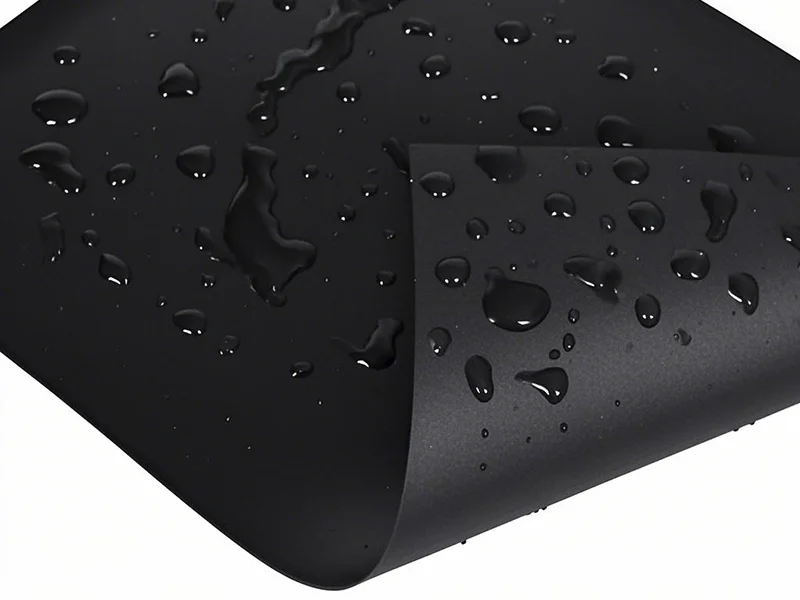
Hdpe Geomembranea liners sheet price
Impermeability: HDPE liners provide excellent impermeability to liquids, gases, and solids. They create a reliable barrier that prevents the passage of contaminants, leachate, and hazardous materials into the surrounding environment. This property is crucial in applications such as landfills, wastewater treatment facilities, and industrial containment areas.
Chemical Resistance: HDPE liners exhibit high resistance to a wide range of chemicals, including acids, alkalis, and organic solvents. This makes them suitable for use in environments where exposure to corrosive substances is common, ensuring long-term durability and performance.
Durability and Longevity: HDPE liners are known for their durability and resistance to punctures, tears, and UV radiation. They have a long service life and can withstand harsh environmental conditions without degradation, reducing the need for frequent maintenance or replacement.
Flexibility and Ease of Installation: HDPE liners are flexible and can conform to irregular surfaces and terrain. This flexibility simplifies installation processes, reduces labor costs, and allows for efficient coverage of large areas. HDPE liners can be prefabricated into large panels or rolls, facilitating rapid deployment and minimizing onsite seaming.
Hdpe Geomembranea liners sheet price
Description:
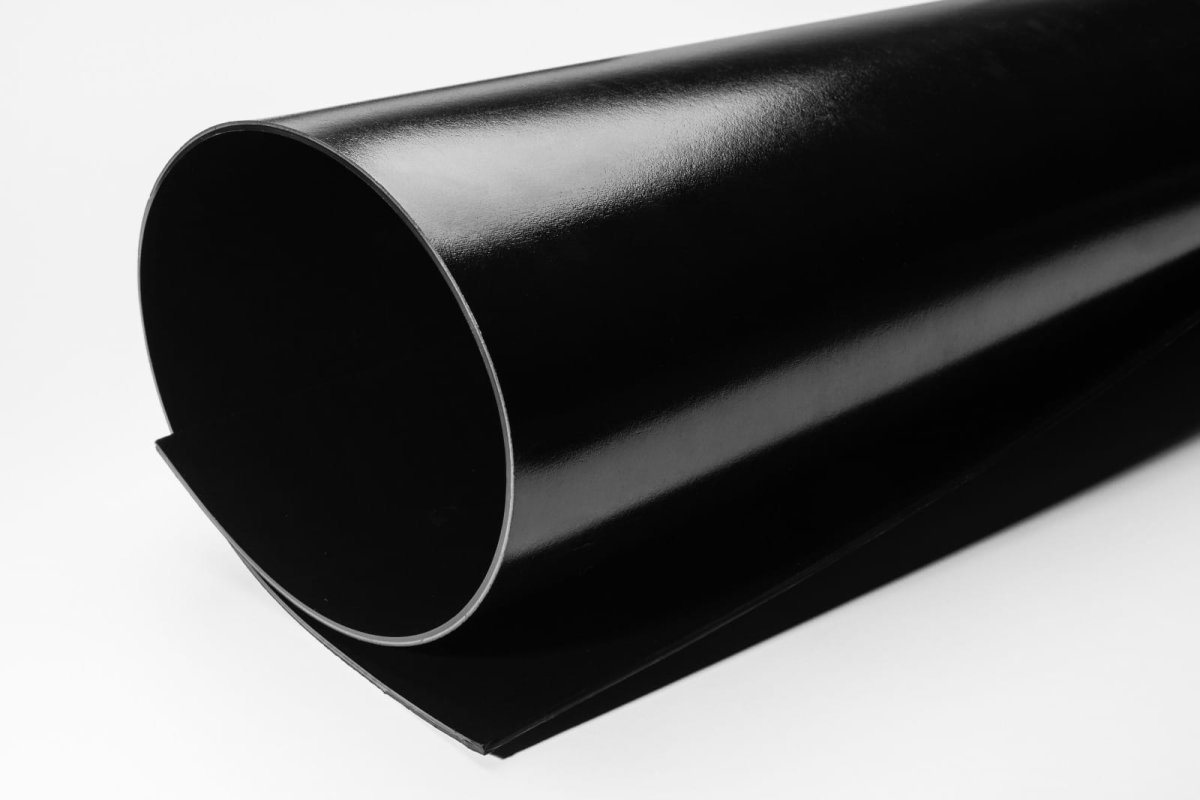
An HDPE geomembrane liner refers to a High-Density Polyethylene (HDPE) liner used in geotechnical and environmental engineering applications. HDPE geomembranes are synthetic sheets manufactured from high-density polyethylene resins. They are commonly used as liners or barriers in various construction projects and environmental protection applications due to their excellent resistance to chemicals, durability, flexibility, and impermeability.
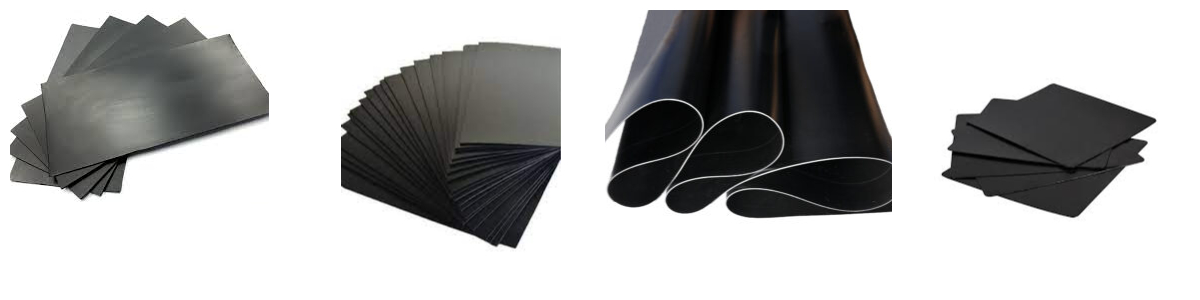
The characteristics of HDPE geomembrane liners
HDPE geomembrane liners possess several key characteristics that make them highly suitable for a wide range of engineering and environmental applications. Here are the main characteristics of HDPE geomembrane liners:
Chemical Resistance: HDPE (High-Density Polyethylene) geomembranes are highly resistant to a wide range of chemicals, including acids, alkalis, and organic solvents. This resistance makes them ideal for applications where containment of hazardous materials or protection of soil and groundwater is critical, such as in landfills, industrial storage facilities, and mining operations.
Impermeability: HDPE geomembranes exhibit excellent impermeability, effectively preventing the passage of gases, liquids, and solids. This property is essential for applications involving water containment, such as in ponds, reservoirs, canals, and wastewater treatment facilities.
Durability: HDPE geomembranes are known for their durability and long service life. They are resistant to punctures, tearing, and UV radiation degradation. This durability ensures reliable performance over extended periods, even under harsh environmental conditions.
Flexibility: Despite their toughness, HDPE geomembranes remain flexible and can conform to irregular subgrades and terrain. This flexibility allows for ease of installation and adaptation to varying site conditions, reducing the need for extensive site preparation.
Environmental Compatibility: HDPE geomembranes are inert and non-toxic, posing minimal risk of environmental contamination. They do not leach harmful substances into surrounding soil or water, making them suitable for applications where environmental protection is a priority.
Weldability: HDPE geomembranes can be heat welded to form strong, continuous seams that maintain their impermeability. This welding capability ensures seamless installation and integrity of the liner system, reducing the risk of leaks or failures.
Resistance to Biological Degradation: HDPE geomembranes are resistant to biological degradation by microorganisms, fungi, and algae. This resistance helps maintain the liner’s performance and integrity over time, particularly in applications where prolonged exposure to soil or water occurs.
Temperature Stability: HDPE geomembranes have good resistance to temperature variations, ranging from freezing temperatures to elevated temperatures encountered in geothermal applications. This stability allows them to maintain their physical properties and performance across a wide range of temperatures.
Cost-Effectiveness: HDPE geomembranes offer a cost-effective solution for containment and environmental protection compared to traditional materials. Their durability, ease of installation, and long service life contribute to lower life cycle costs and reduced maintenance requirements.
Common uses of HDPE Geomembrane liners
HDPE geomembrane liners are widely used across various industries and applications where impermeable barriers are necessary to contain liquids, gases, or solids. Some of the common uses include:
Landfills: HDPE geomembranes are extensively used as bottom liners and caps in landfills to contain and isolate solid waste from the surrounding environment. They prevent leachate (liquid formed from decomposing waste) from contaminating soil and groundwater, thus protecting the environment.
Mining: In mining operations, HDPE geomembrane liners are used in heap leach pads to contain and prevent the escape of leachate solutions that extract valuable minerals from ore. They also line tailings ponds to safely store and manage waste materials generated from mining activities.
Wastewater Treatment: HDPE geomembrane liners are employed in wastewater treatment facilities to line primary and secondary containment structures, such as settling ponds, lagoons, and tanks. They prevent wastewater from seeping into the ground, ensuring environmental protection and regulatory compliance.
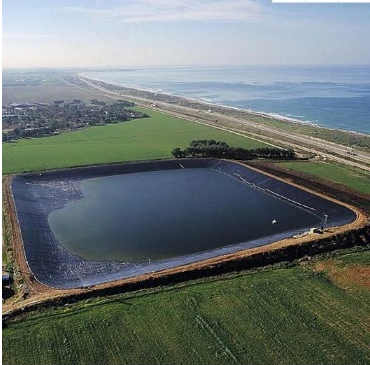
Water Containment: HDPE geomembrane liners are used to create water storage reservoirs, ponds, canals, and irrigation ditches. They prevent seepage and loss of water, ensuring efficient water management for agricultural, municipal, and industrial purposes.
Aquaculture: HDPE geomembrane liners are utilized in aquaculture facilities, such as fish and shrimp farming ponds. They create a barrier that prevents water seepage and ensures proper containment of aquatic organisms and water resources.
Industrial Applications: HDPE geomembrane liners are employed in industrial settings for secondary containment of chemicals, acids, and hazardous liquids. They provide a reliable barrier that prevents spills and leaks from contaminating soil and groundwater.
Environmental Protection: HDPE geomembranes are used in environmental remediation projects to contain and isolate contaminated soil and groundwater. They prevent the spread of pollutants and facilitate the safe cleanup and restoration of contaminated sites.
Geomembrane Cover Systems: HDPE geomembranes are used in cover systems for closures of landfills, mine tailings, and other industrial facilities. They provide a protective barrier that controls gas emissions, minimizes infiltration of precipitation, and supports site rehabilitation efforts.
Transportation Infrastructure: HDPE geomembrane liners are used in transportation infrastructure projects, such as road and railway embankments, to stabilize soil and prevent water infiltration that could lead to erosion and structural instability.
Energy Sector: HDPE geomembranes are utilized in various energy applications, including oil and gas exploration and production. They line containment structures for drilling fluids, wastewater, and storage ponds, ensuring environmental compliance and protection.
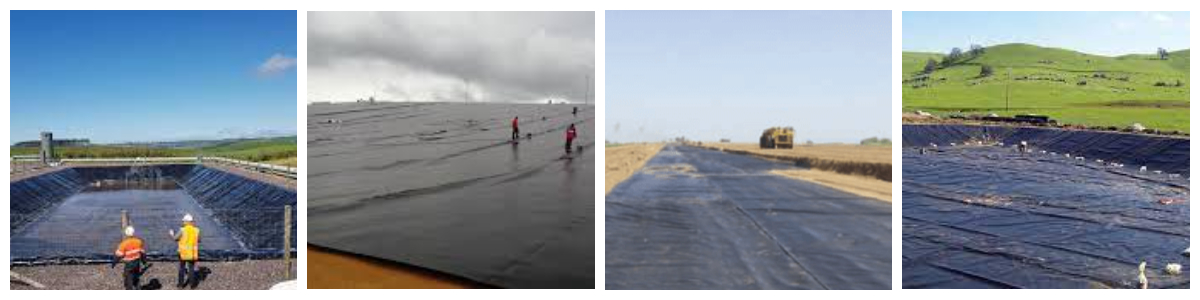
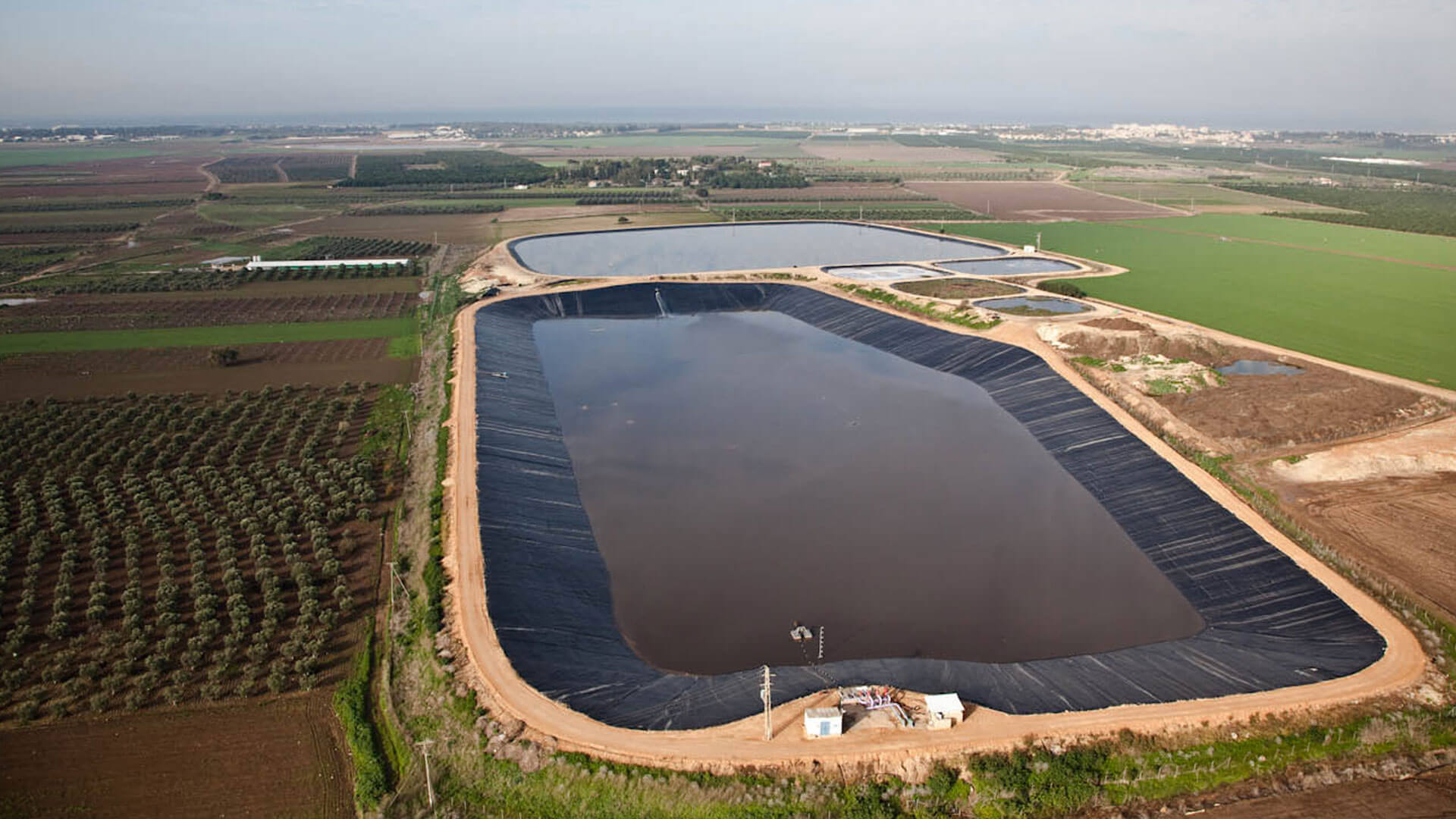
How to install and maintain HDPE liners
Installing and maintaining HDPE (High-Density Polyethylene) liners involves several key steps to ensure proper functionality and longevity. Here’s a general guide:
Site Preparation:
Ensure the subgrade is smooth, free of sharp objects, and adequately compacted.
Remove any debris, vegetation, or other materials that could puncture or damage the liner.
Unrolling and Positioning:
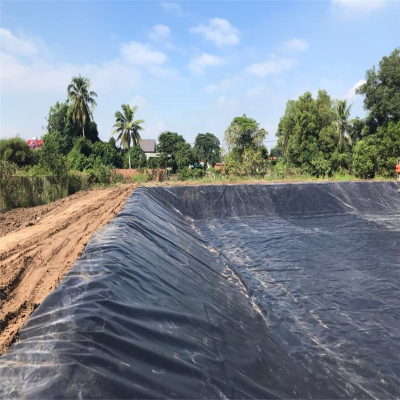
Unroll the HDPE liner across the prepared subgrade, starting from one end of the containment area.
Avoid dragging the liner to prevent tears or damage. Use equipment designed for handling geomembranes if necessary.
Seaming:
HDPE liners are typically seamed using heat welding techniques. Ensure that the seams are clean, dry, and free of contaminants.
Use a hot wedge welder or extrusion welding equipment to create strong, continuous seams. Follow manufacturer’s recommendations for welding parameters.
Testing Seams:
Conduct non-destructive testing (such as vacuum testing or spark testing) to verify the integrity of welded seams. This ensures there are no leaks or weak spots in the liner.
Anchoring and Fixing:
Anchor the HDPE liner along the edges or at intervals to prevent movement during backfilling or operations.
Use anchor trenches, ballasting, or mechanical fixation methods as per project specifications.
Quality Control:
Inspect the installed liner for wrinkles, creases, or other imperfections that could compromise its integrity.
Repair any defects promptly using compatible patching materials and techniques recommended by the manufacturer.
Covering and Protection:
Once installed, protect the HDPE liner from exposure to UV radiation, sharp objects, and mechanical damage.
Cover with protective layers, such as geotextiles or soil, to shield the liner and enhance its longevity.