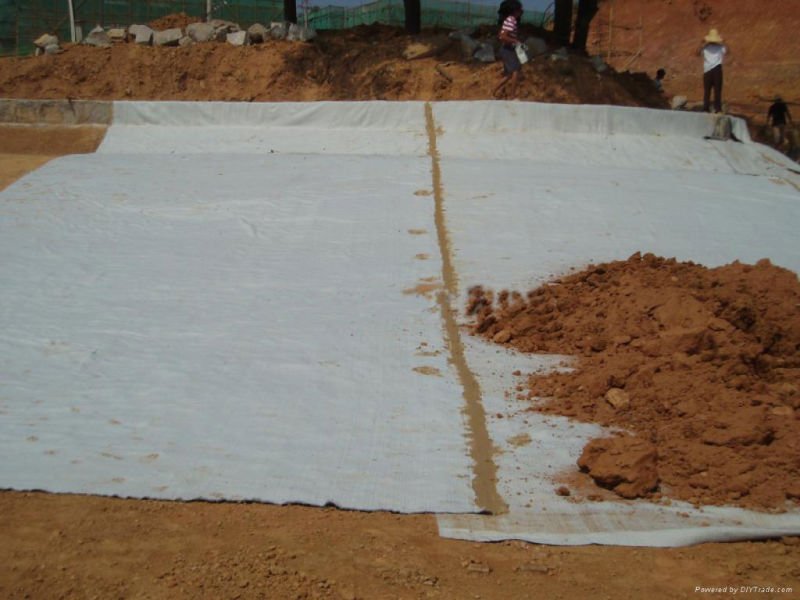
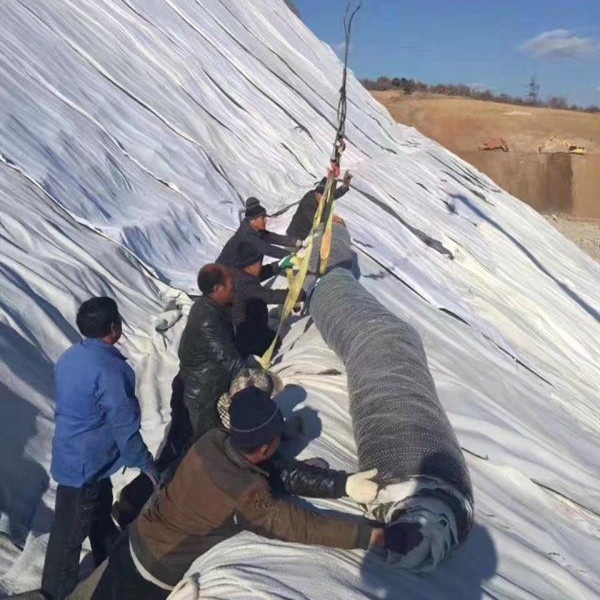
bentomat pond liner
Self-Healing Impermeability
High Durability: Resistant to UV radiation, chemical corrosion
Strong Adhesion
Eco-Friendly
Easy Installation
Ⅰ. Production Process of Bentonite Waterproof Blanket (GCL)
1. Raw Material Preparation: High-quality sodium bentonite (montmorillonite content ≥85%) is crushed, sieved, and dried to remove impurities and adjust moisture content (10-15%) for optimal swelling performance.
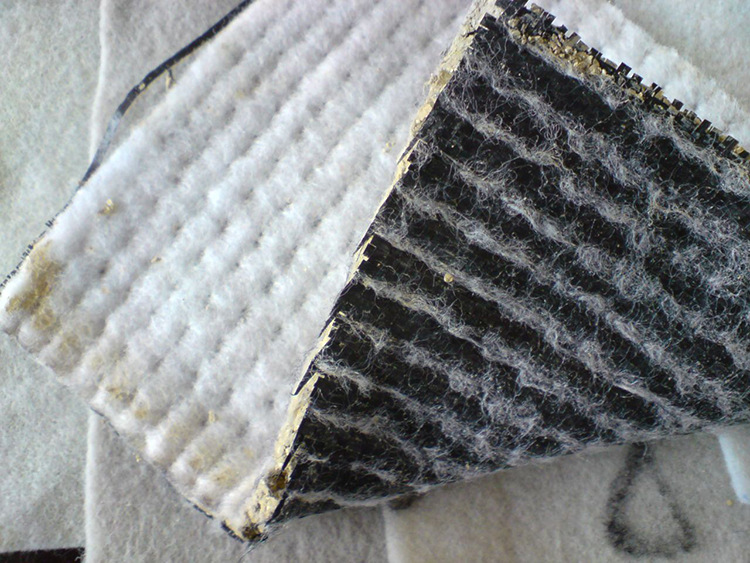
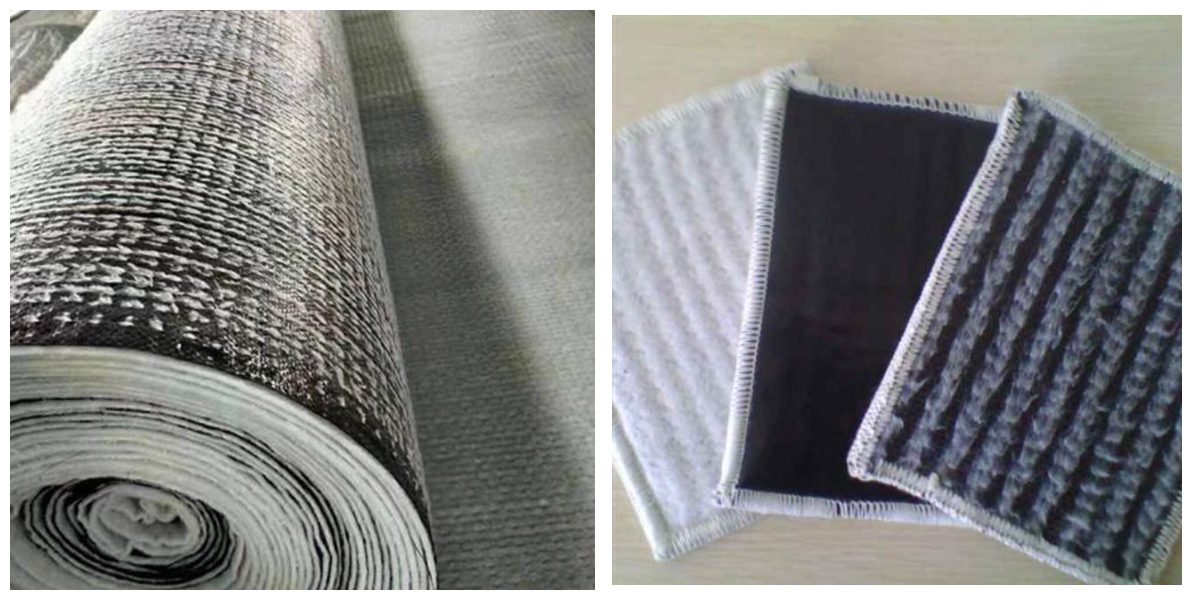
2. Carrier Layer Selection: Two layers of nonwoven geotextile (short-fiber or spunbond PP/PET) are used as top and bottom carriers; optional reinforcement with a woven geotextile layer for enhanced tensile strength.
3. Bentonite Spreading: The processed bentonite is uniformly spread between the two carrier layers via a precision spreading machine, ensuring consistent thickness (2-5kg/m²) across the entire blanket.
4. Needle Punching & Fixing: The three-layer structure (top carrier + bentonite + bottom carrier) is mechanically entangled by needle punching, which secures the bentonite in place and bonds the layers tightly without chemical adhesives.
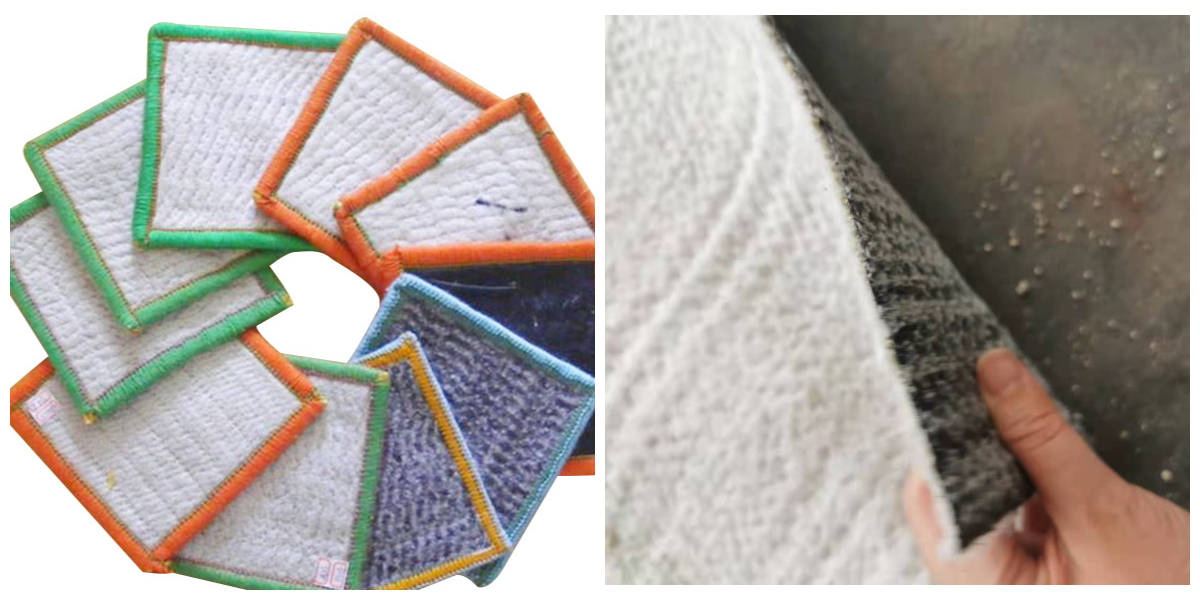
5. Edge Sealing & Cutting: The blanket is trimmed to standard widths/lengths, with heat-sealed or stitched edges to prevent bentonite leakage; customized sizes are available via slitting.
6. Quality Inspection: Each batch is tested for bentonite content, swelling capacity, impermeability, and tensile strength to comply with international standards (e.g., ISO, ASTM, JIS).
Ⅱ. Applications
• Waste management: Landfill liners/caps, hazardous waste containment, and leachate barrier systems.
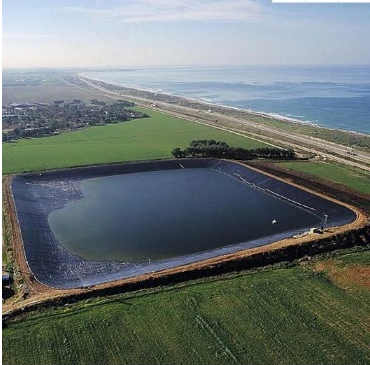
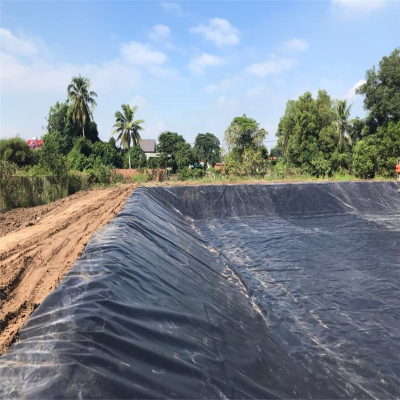
• Hydraulic engineering: Reservoir, canal, and pond liners for seepage control; riverbank and dam protection.
• Civil engineering: Tunnel waterproofing, subway station basements, and retaining wall backfill waterproofing.
• Environmental remediation: Contaminated soil and groundwater isolation; wetland restoration projects.
• Agricultural & landscape: Fish pond liners, artificial lake waterproofing, and greenhouse soil moisture retention.
Ⅲ. Advantages
• Self-Healing Impermeability: Bentonite swells 15-20 times its volume when in contact with water, forming a dense, low-permeability gel to seal cracks and gaps automatically.
• High Durability: Resistant to UV radiation, chemical corrosion (acids, alkalis, salts), and biological degradation; stable performance in extreme temperatures (-20℃ to 60℃).
• Strong Adhesion: Bonds tightly with soil and concrete, adapting to terrain settlement without losing waterproof effectiveness.
• Eco-Friendly: Natural bentonite is non-toxic, biodegradable, and environmentally safe; no harmful chemicals released.
• Easy Installation: Lightweight, flexible, and easy to lay without special equipment; reduces construction time and labor costs.
Ⅳ. Packaging
• Standard packaging: Woven PP bags with moisture-proof inner lining, each roll weighs 100-200kg (customizable).
• Roll specifications: Width 2-6m, length 20-50m (adjustable per project requirements).
• Labeling: Each package is marked with product name, bentonite content, grammage, dimensions, weight, batch number, and certification logos (e.g., ISO, CE).
• Shipping: Palletized with stretch film wrapping to prevent moisture absorption and mechanical damage; additional waterproof covers provided for long-distance sea transport.