
Application of Geomembrane in Tailings Ponds
Tailings ponds are critical infrastructure in the mining industry, used for the safe storage of tailings—waste materials generated during mineral processing, which often contain heavy metals, chemical reagents, and high-salinity water . The improper containment of these tailings can lead to severe environmental pollution, groundwater contamination, soil degradation, and even catastrophic dam failures, resulting in significant economic losses and regulatory penalties . In this context, geomembranes have emerged as a core impermeable material, playing an irreplaceable role in enhancing the safety, stability, and environmental performance of tailings ponds worldwide .
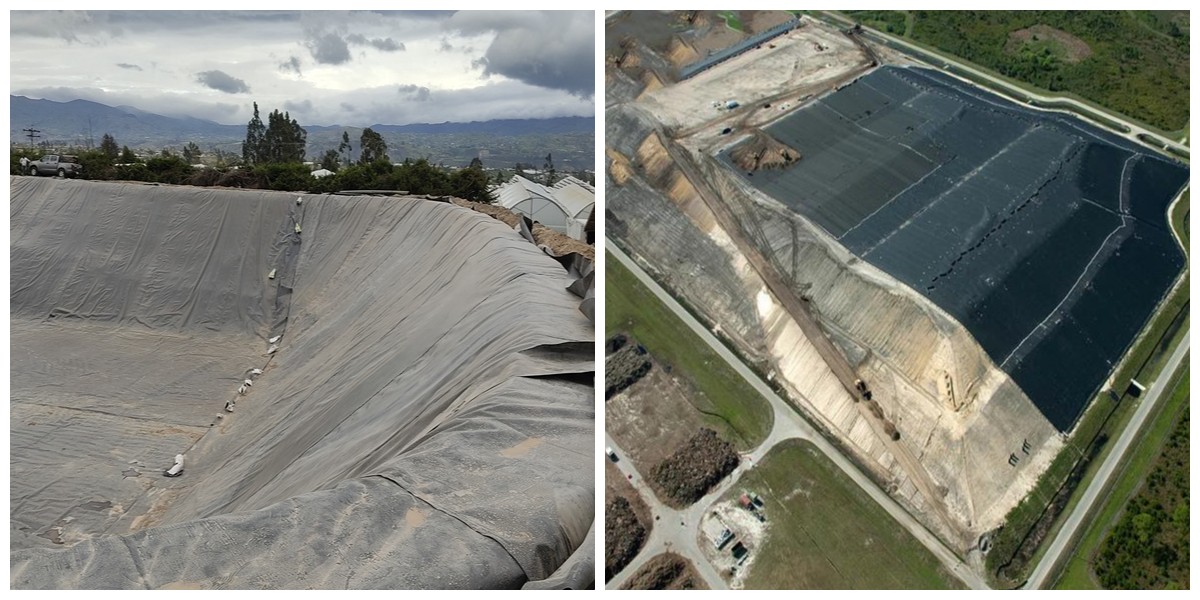 Geomembranes are synthetic waterproof membranes made of polymer resins, combined with additives such as carbon black, antioxidants, and plasticizers to enhance their durability and performance . Among the various types of geomembranes used in tailings ponds, High-Density Polyethylene (HDPE) geomembrane has become the industry standard due to its superior physical and chemical properties . Other commonly used types include Linear Low-Density Polyethylene (LLDPE) geomembranes, which offer greater flexibility for uneven terrain, and Polyvinyl Chloride (PVC) geomembranes, favored for their ease of welding and installation in small-scale projects . Composite geomembranes, laminated with nonwoven geotextiles, are also widely adopted to improve mechanical strength and puncture resistance .
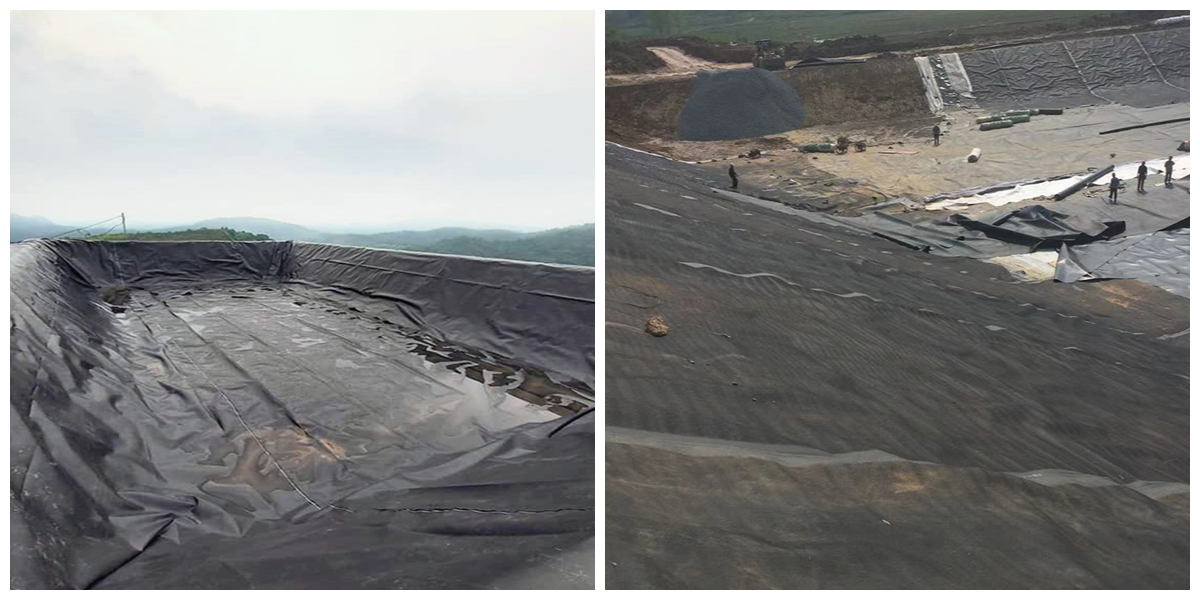
The application of geomembranes in tailings ponds covers multiple key parts of the facility, forming a comprehensive impermeable system that ensures long-term containment . Firstly, geomembranes are used as the primary liner for the bottom of tailings ponds, serving as the first line of defense against seepage . This layer prevents toxic leachate from penetrating into the underlying soil and groundwater, which is crucial for protecting the surrounding ecological environment . Secondly, they are applied to the slopes and embankments of tailings dams to enhance slope stability and prevent erosion and side leakage .
Structured geomembranes with physical projections can even support steeper slope designs, optimizing the use of land and reducing construction costs . Additionally, geomembranes are used in seepage control and leachate containment systems, often combined with geotextiles, drainage layers, or GCLs (Geosynthetic Clay Liners) to form a complete composite liner system .
The widespread adoption of geomembranes in tailings ponds is attributed to their unique advantages that address the harsh conditions of mining environments . Firstly, they possess extremely low permeability—HDPE geomembranes, for example, have a permeability coefficient as low as ≤ 1×10⁻¹² cm/s, effectively blocking the migration of hazardous substances . Secondly, they exhibit excellent chemical resistance, withstanding corrosion from acids, alkalis, salts, and various mining chemicals present in tailings slurry, far outperforming traditional lining materials like compacted clay . Thirdly, geomembranes have high tensile strength and puncture resistance, enabling them to withstand ground settlement, deformation, and mechanical damage during tailings deposition . Moreover, industrial-grade geomembranes with carbon black additives offer outstanding UV and aging resistance, ensuring a service life of 20 to 50 years in outdoor mining environments . Finally, compared with conventional lining methods such as concrete, geomembrane installation is faster, more cost-effective, and requires less maintenance, reducing both construction time and lifecycle costs .
The successful application of geomembranes in tailings ponds is demonstrated by numerous engineering cases worldwide . For instance, in Saudi Arabia’s Umm Wu’al Phosphate Project, Solmax supplied 900,000 m² of GSE HD friction flex geomembrane for the construction of new tailings ponds, ensuring the secure containment of highly toxic tailings in an extreme hot climate . The geomembrane’s high interface friction angle and durability met the strict quality requirements, preventing any leakage and ensuring operational safety . Another example is the use of 1.5mm rough HDPE geomembrane combined with GCL bentonite blankets in a tailings pond, which reduced dam seepage incidents to zero and ensured that groundwater quality met regulatory standards .
In conclusion, geomembranes have become an indispensable material for tailings pond containment, providing a reliable, efficient, and cost-effective solution to address the environmental and safety challenges of tailings storage . Their superior impermeability, durability, and adaptability make them the preferred choice for mining projects worldwide, playing a vital role in protecting the environment, ensuring operational safety, and complying with regulatory requirements .
If you have any geomembrane procurement, construction and technical consultation needs, please feel free to contact me via WhatsApp: +86 15553403434. We can provide professional geomembrane selection, on-site welding guidance and overall anti-seepage engineering solutions to meet different project construction requirements.


