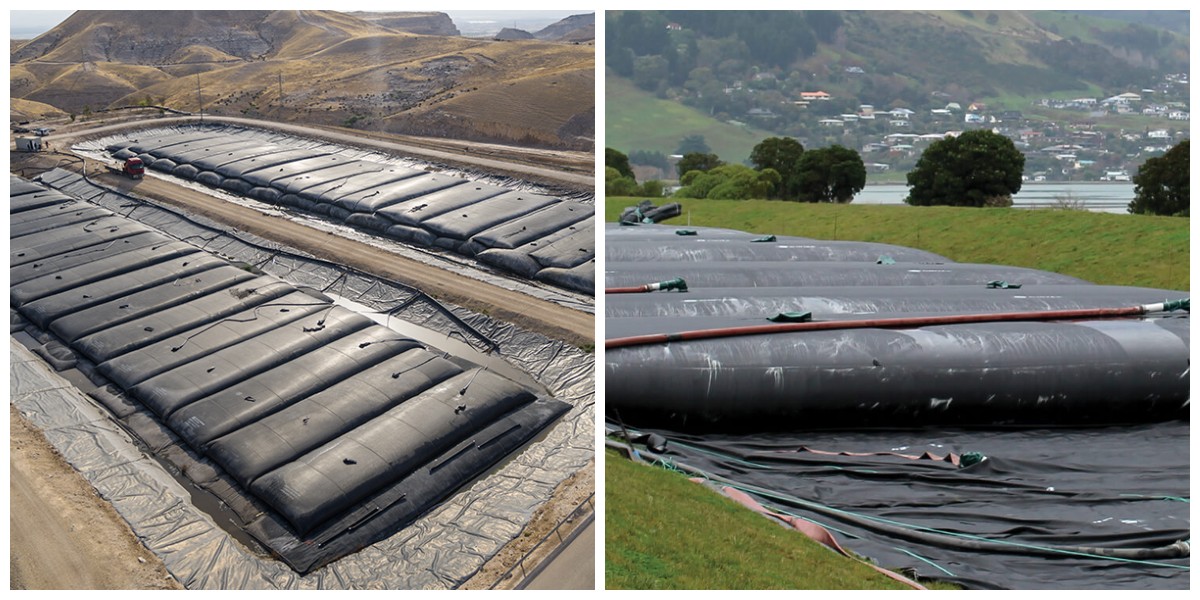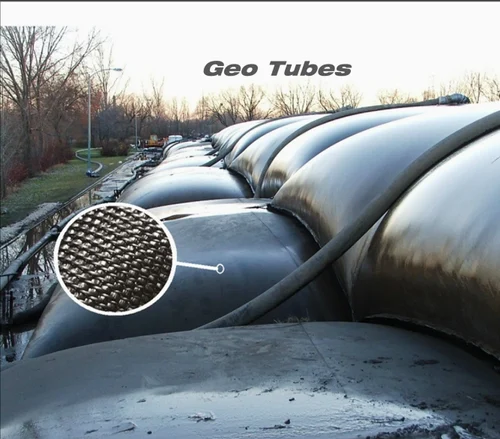
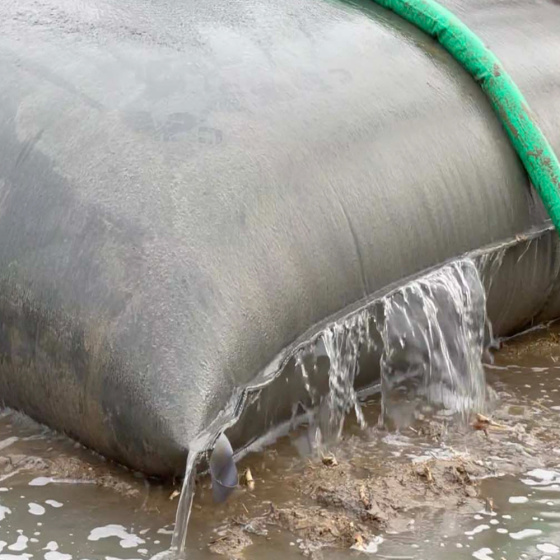
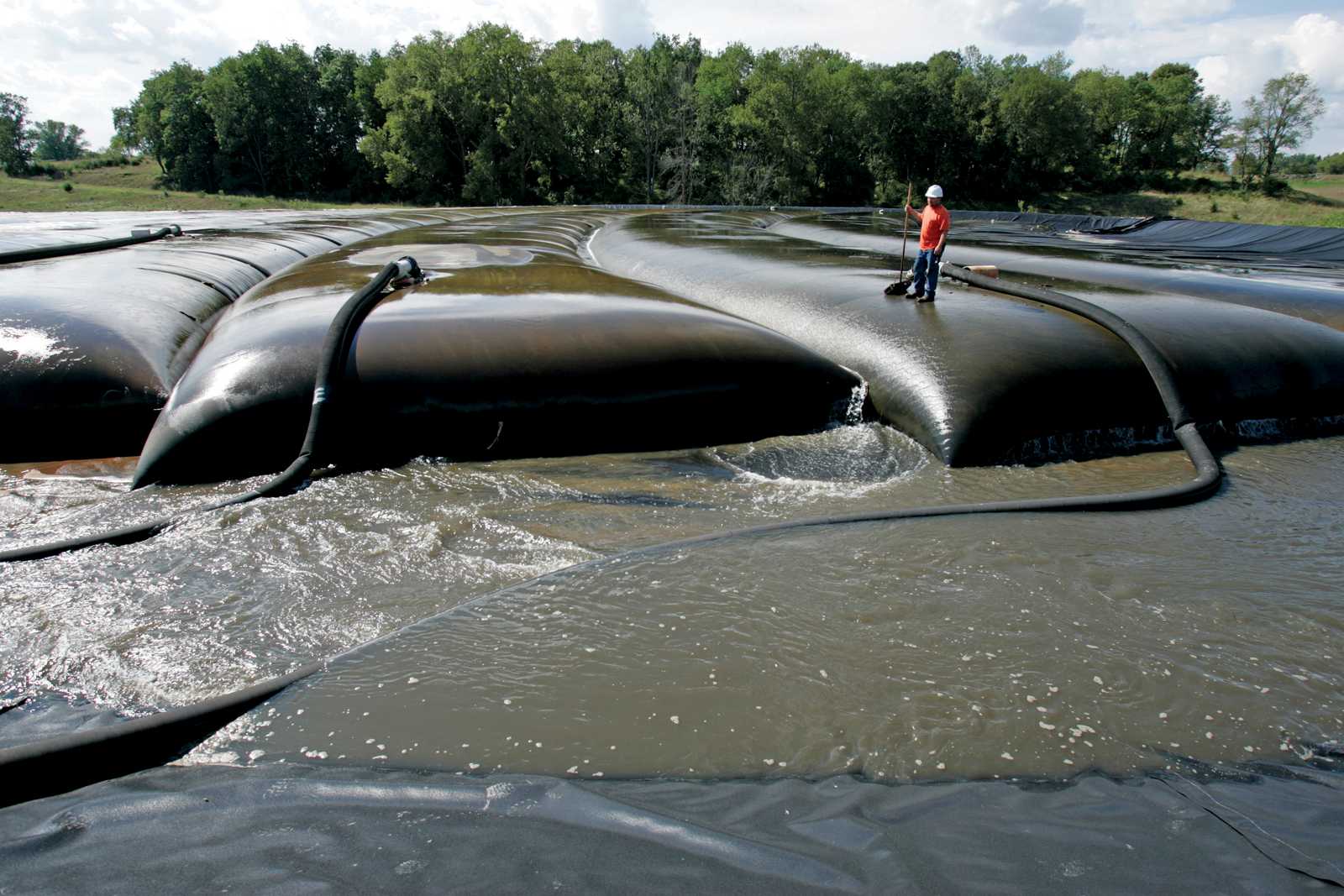
Geotubes for sludge dewatering
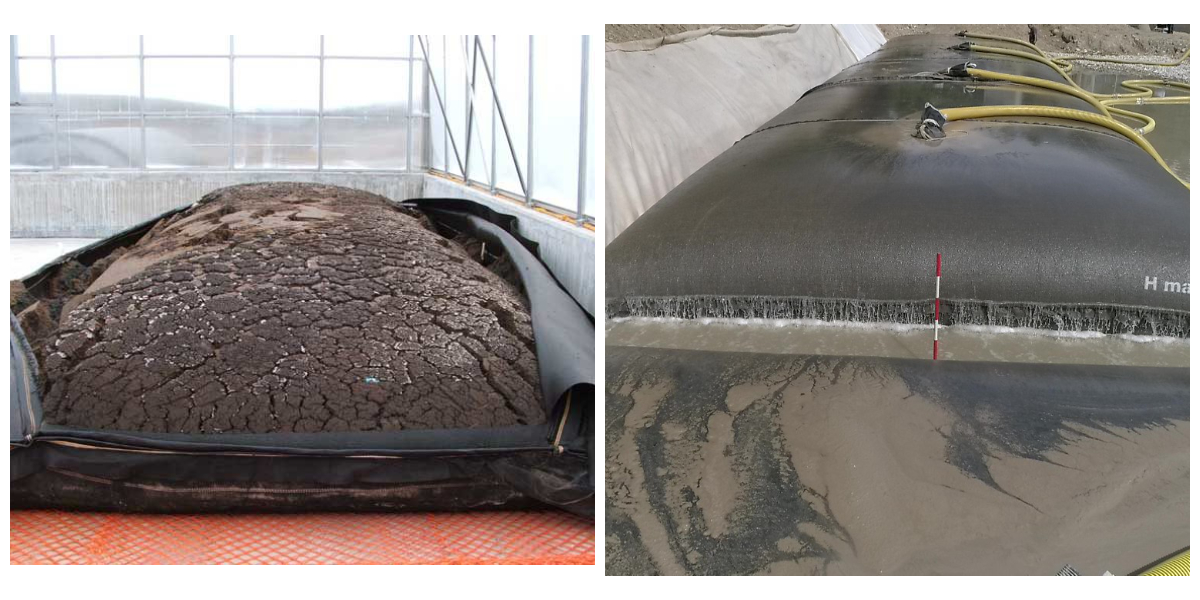
High flow rate which allows residual to dewater, leaving behind the solids
Custom fabricated with seaming techniques that can withstand pressure during pumping operations
It can be custom designed and fabricated. It is a specially engineered system through advanced textile technologies
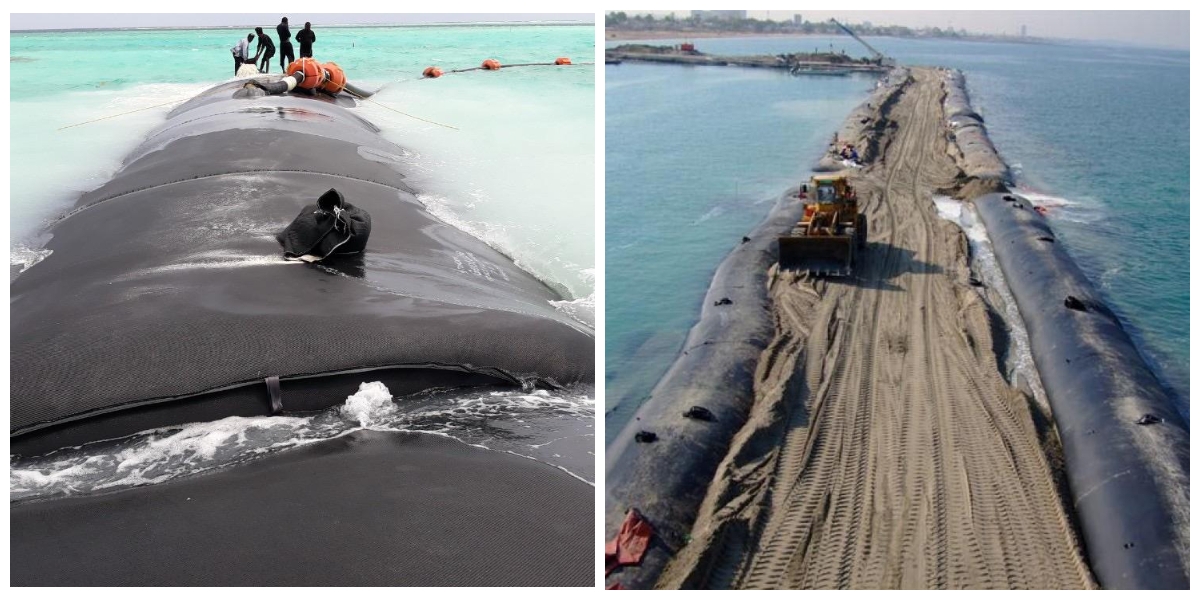
It is an excellent solution for revetments, breakwaters, dykes, and groynes
Description:
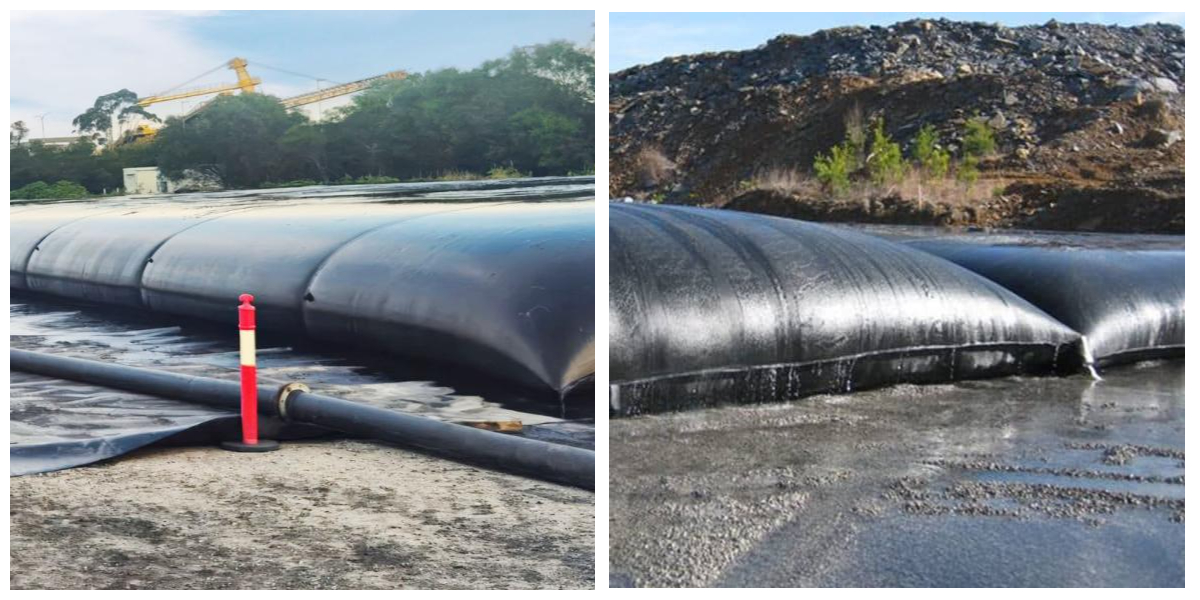
The Geotubes are also known as geobags — used for sludge dewatering projects of different sizes because of their simplicity and low-cost factor.
They are containers that are hydraulically filled with a slurry mix of sand and water. The hydraulic pressure helps to transport the sand along the inside of the tube, while the water will dissipate through the permeable engineered fabric, then the sand will settle out within the container by gravity.The Geotube system can be applied in different industries, including shoreline protection, land reclamation, island creation, wetlands creation, construction platforms, revetments, dykes, groynes, and offshore structures.
The system doesn’t operate with belts, gears, or complicated mechanics. Also, they are available in different sizes, depending on the volume and space requirements. They can even be mounted in mobile roll-off containers that can be transported around your property as necessary.
Advantage:
Virtually immovable mass
A single Geotube is more than 100 feet long and when filled with sand could weigh up to 150 tons. With that much mass, it becomes extremely difficult for waves, debris and ice to shift the Geotube. Containers are typically about seven feet wide or more, which enables a wider protection structure that can be constructed much more quickly and at lower cost than conventional rock, timber or steel barriers.
Durable, impact-resistant technology
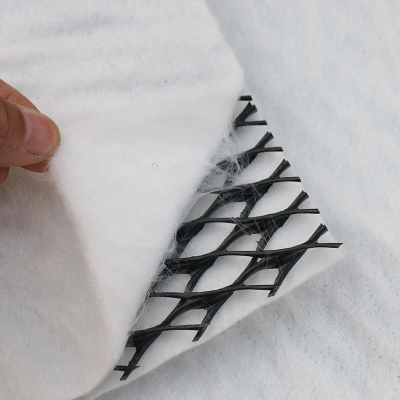
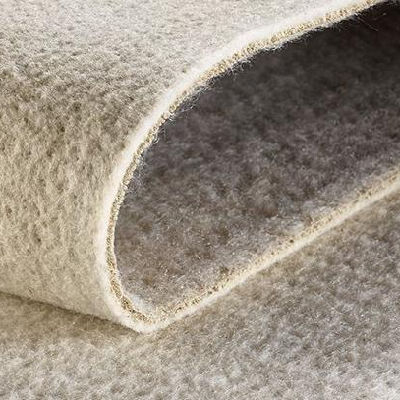
Geotube are specially designed for shoreline protection and are manufactured using high-strength polypropylene multifilament yarns that meet several ASTM standards for fabric strength, seam strength, UV resistance and puncture resistance. In extremely demanding applications, Geotube can be further protected with a Geotube Debris Shield, a polyurea coating, or even a conventional barrier such as an armour stone wall.
Deflective elliptical shape
As debris or ice advances towards the shoreline, the elliptical shape of the Geotube can deflect the material and force it up and over the structure. Conventional barriers made of materials such as armour stone or timber face the ice head-on and are often dislodged or heaved up.
Versatility and customizability
Geotube shoreline systems are available in several configurations and sizes. Each one is designed to provide maximum performance, lifespan and ease of installation. Many can also be custom manufactured to meet site specifications.
Application:
Coastal and River Bank Erosion Control: Geotubes have been used extensively for coastal and river bank erosion control, helping to stabilize these areas and prevent further degradation. They can serve as long-term solutions, maintaining the natural landscape and protecting local ecosystems.
Dredging Operations: Dredging is often required to maintain the depth of waterways or to remove sediments from harbours and marinas. The dredged material can be pumped into Geotubes, allowing the water to filter out and the sediment to be safely contained.
Mining Industry: The mining sector in Australia is significant, and managing waste materials from mining operations is a critical environmental concern. Geotubes can be used to contain and dewater mine tailings or other waste materials, making their disposal more manageable and less harmful to the environment.
Wastewater Treatment: Geotubes are employed in wastewater treatment plants to handle sludge, a byproduct of the treatment process. They allow for efficient dewatering and volume reduction of the sludge, making subsequent disposal or repurposing of the solid waste easier and more cost-effective.
Construction and Infrastructure: Geotubes can be used in civil construction and infrastructure projects, providing structural fill or acting as temporary flood or water control barriers. They can also serve as containment systems during the excavation or remediation of contaminated sites.
Agriculture: In the agricultural sector, Geotubes can be used for dewatering and containment of waste products, such as manure or other organic waste. This helps manage waste more effectively and reduces the potential for environmental contamination.