geomembrane price
Exceptional Impermeability
Outstanding Chemical Resistance
High Mechanical Strength
Superior Durability and Longevity
Cost-Effectiveness
Environmental Safety
High-Density Polyethylene (HDPE) resin, with additives like carbon black (for UV resistance), antioxidants, and stabilizers .
Excellent chemical resistance, high impermeability, strong mechanical strength (28 MPa tensile strength ), and long service life (50+ years ).
Product Introduction
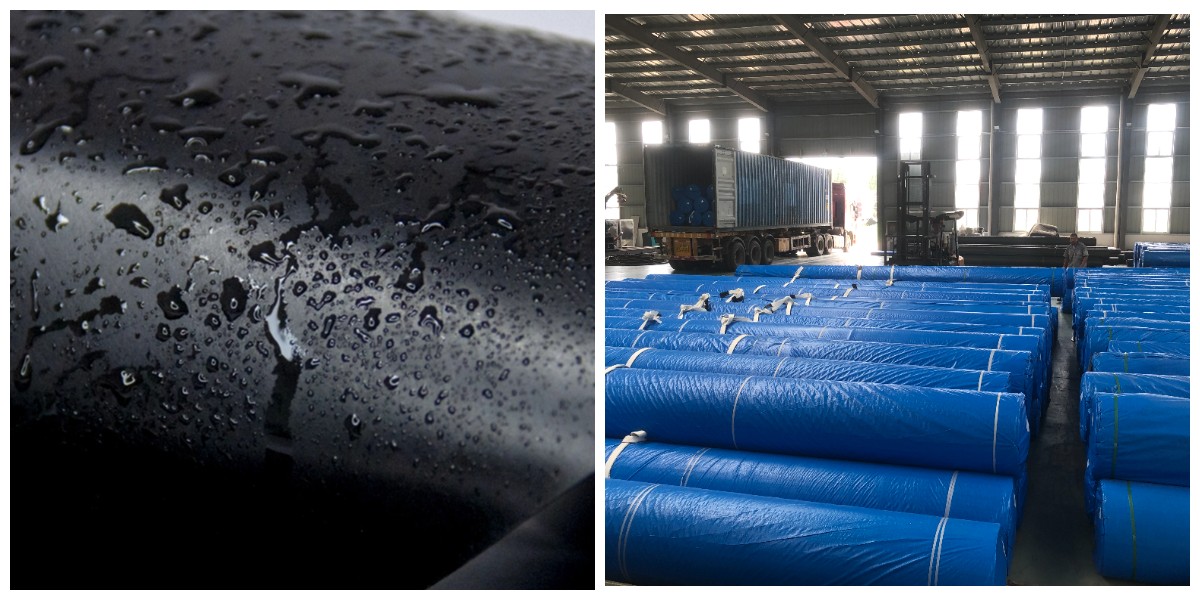
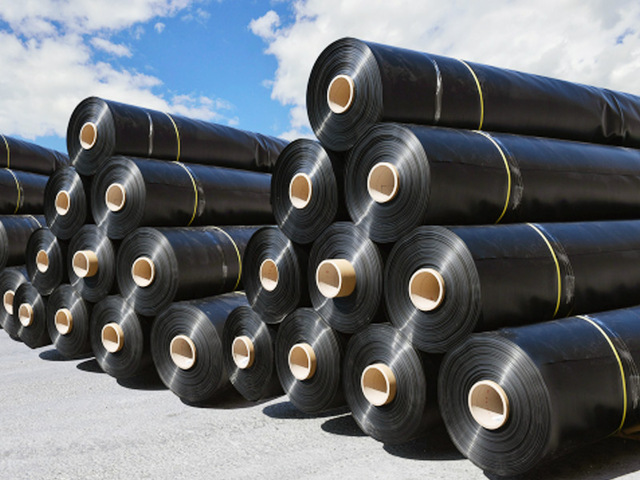
HDPE Geomembrane is a type of geosynthetic material made from high-density polyethylene resin. It is engineered to be a virtually impermeable barrier . The material is known for its dense structure, with a typical density equal to or greater than 0.94 g/cm³ .
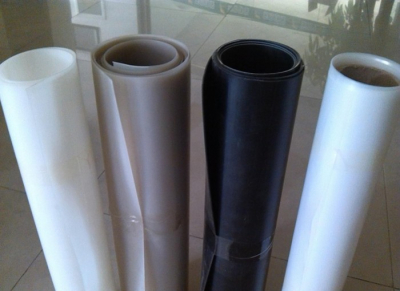
During manufacturing, additives such as carbon black (around 2.5%) are incorporated to provide superior resistance to ultraviolet (UV) light and aging . The standard production processes include blow molding and flat extrusion, which allow for the creation of sheets in various thicknesses (commonly from 0.3 mm to 3.0 mm) and wide widths (up to 8 meters or more) . On-site, these sheets are seamlessly joined using thermal fusion welding techniques to create a continuous, reliable liner .
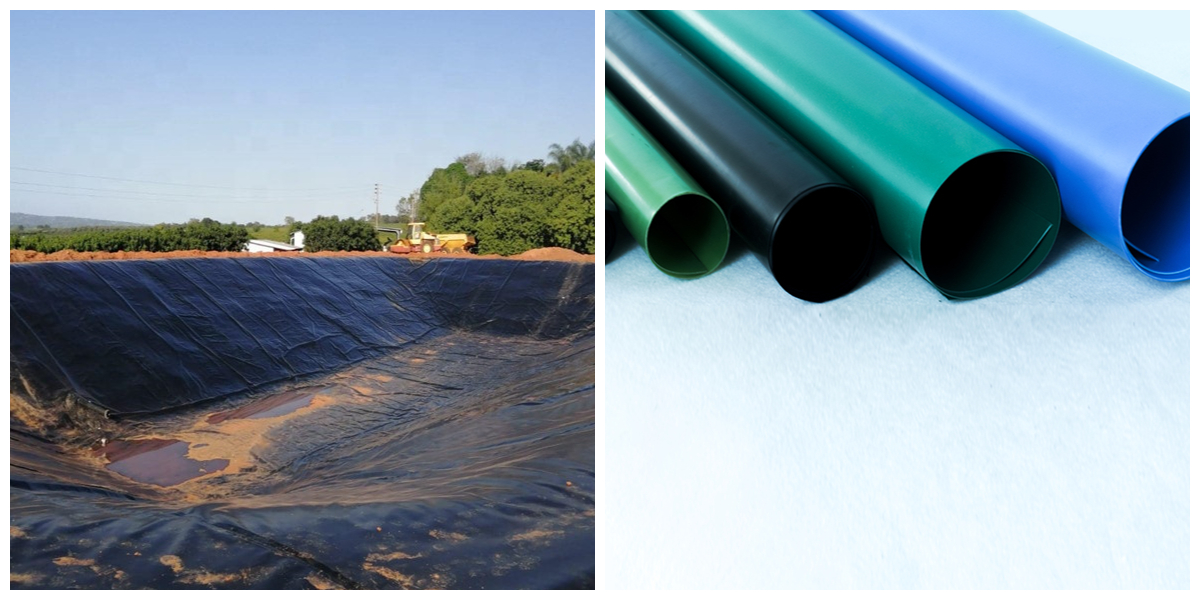
HDPE Geomembrane is a versatile solution for containment and anti-seepage applications across numerous sectors:
Environmental Protection: It is the primary liner material for modern solid waste landfills and hazardous waste containment sites, preventing leachate from polluting soil and groundwater. It is also used in wastewater treatment lagoons and sewage tanks .
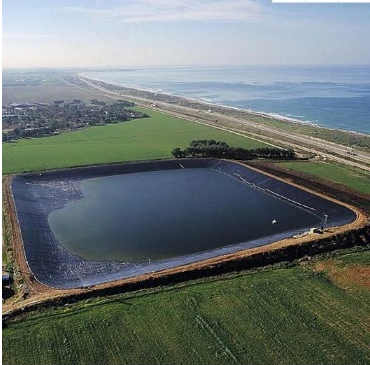
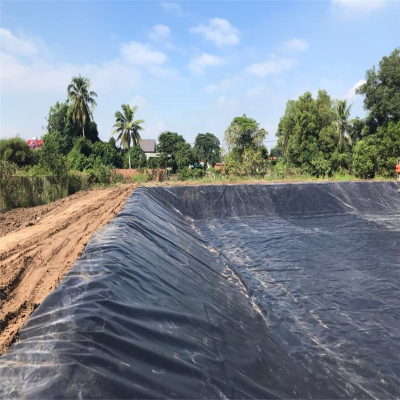
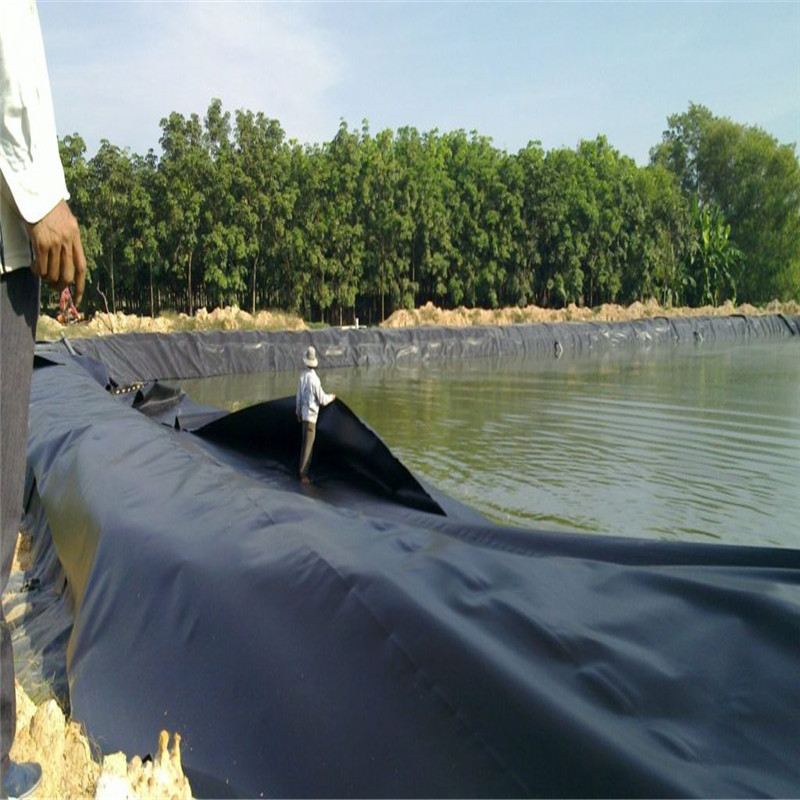
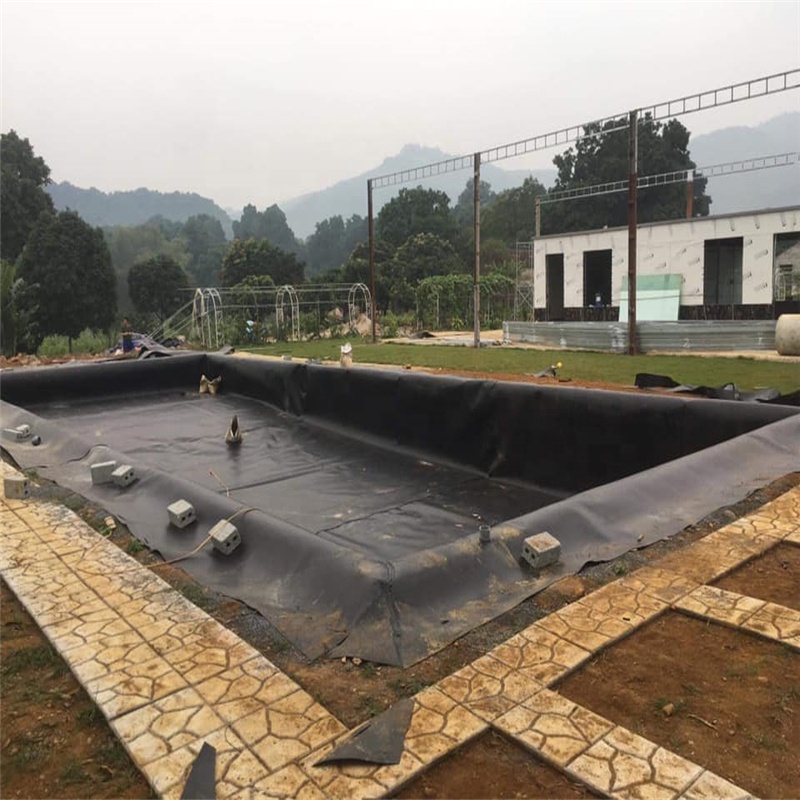
Water Resources and Hydraulic Engineering: The membrane is widely used in reservoirs, canals, and artificial lakes to prevent water seepage. It is also crucial for lining drinking water reservoirs and irrigation ponds .
Mining and Industry: In the mining sector, it is used to line tailings ponds for the safe containment of process residues and wastewater . It also serves as a secondary containment liner for chemical plants and oil refineries .
Agriculture and Aquaculture: It is used in fish and shrimp ponds to maintain water levels and improve water quality management. It is also used in irrigation canals and water storage systems on farms .