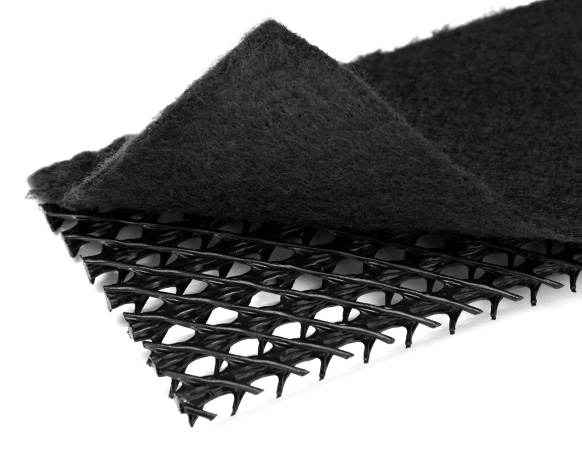
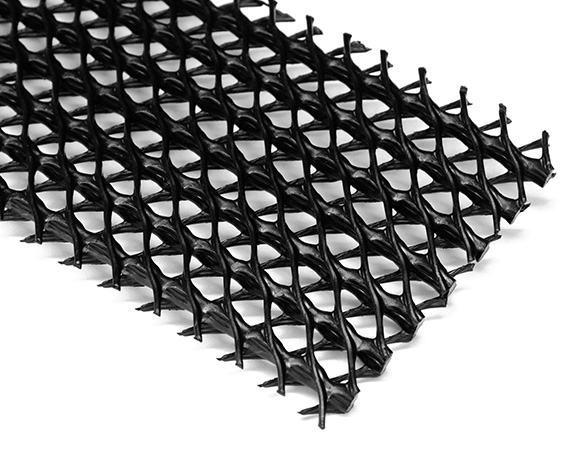
geocomposite strip drain
Superior Drainage Performance
High Mechanical Strength
Easy Installation: Lightweight (200-800 g/m²) and flexible, allowing quick deployment
Durability & Longevity: UV-resistant
Cost-Effective: Reduces the need for traditional drainage materials
1. Manufacturing Process of Composite Drainage Net
(1)Raw Material Preparation: Select high-quality HDPE (High-Density Polyethylene) resin as the base material, supplemented with UV stabilizers and anti-aging additives to enhance durability.
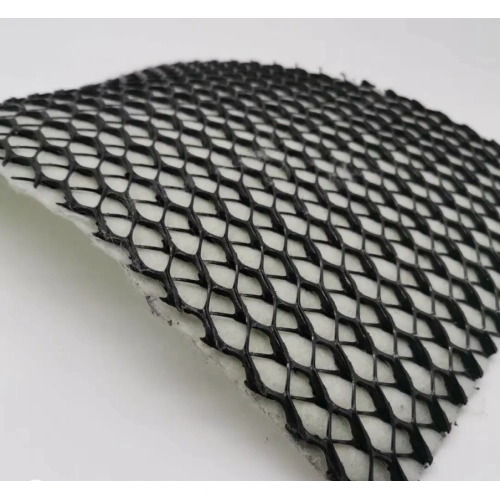
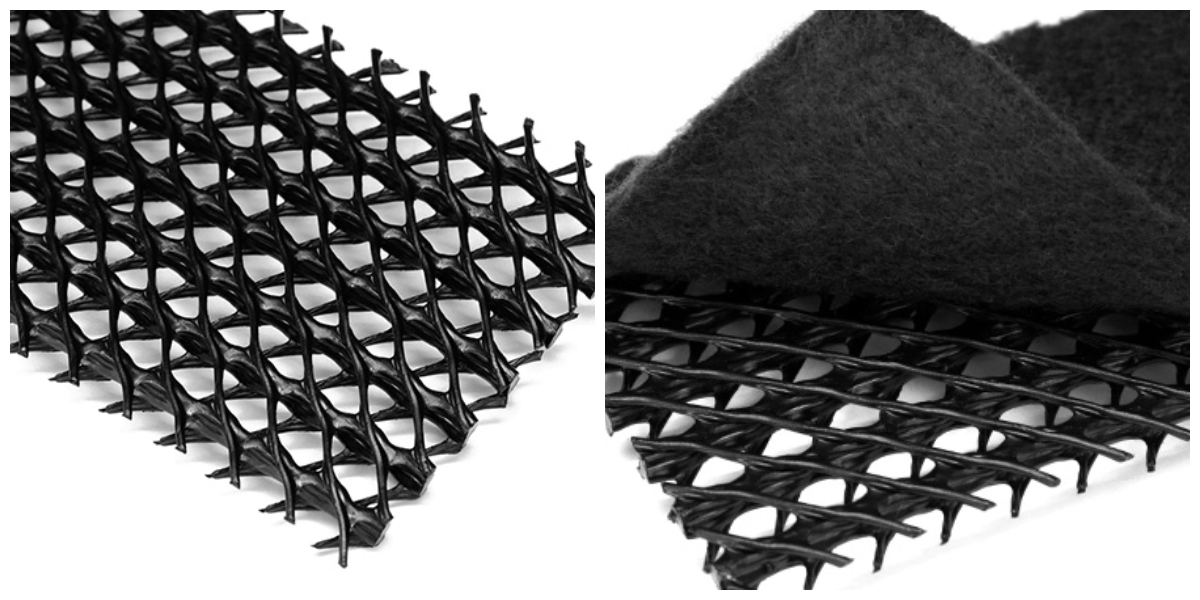
(2)Extrusion Molding: Melt the mixed raw materials in an extruder at 180-220℃, then extrude through specialized dies to form two layers of parallel ribbed geonet (core layer) with controlled thickness (1.0-6.0mm) and rib spacing.
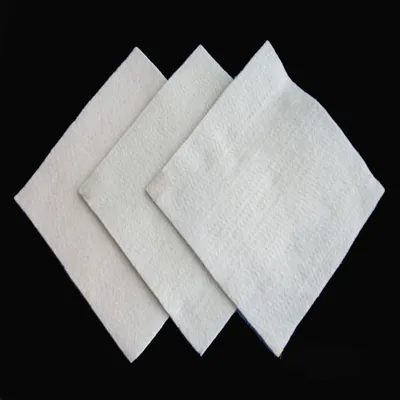
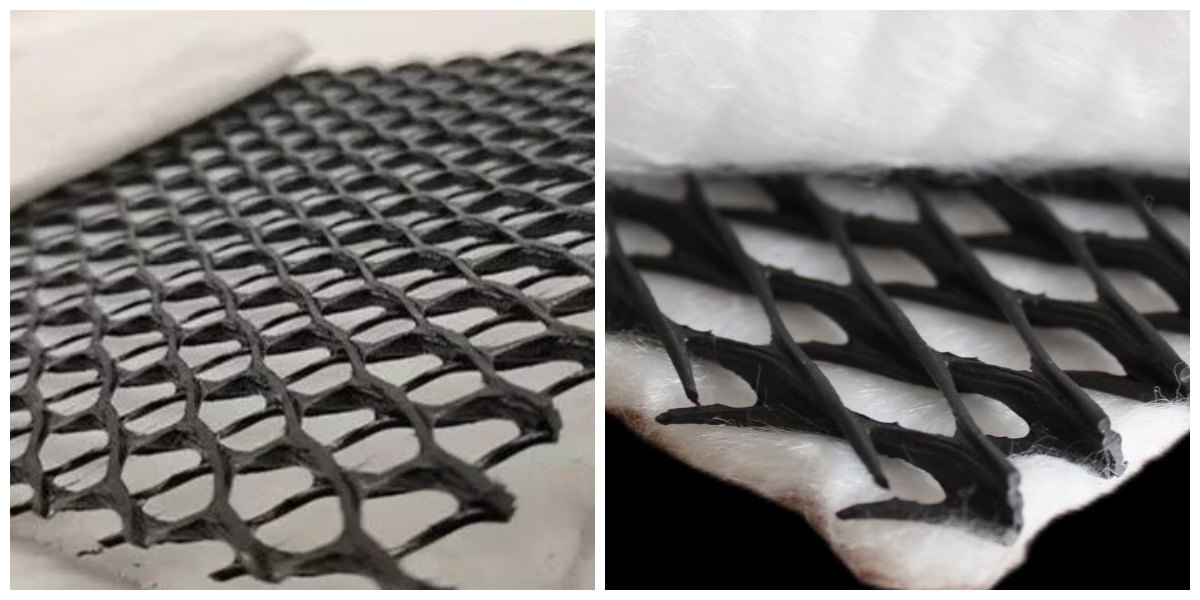
(3)Composite Lamination: Laminate non-woven geotextile (polyester or polypropylene) onto one or both sides of the geonet core using thermal bonding or ultrasonic welding technology, ensuring tight adhesion without compromising drainage channels.
(4)Calibration & Cutting: Cool the composite sheet through a calibration roller to maintain dimensional stability, then cut it into standard rolls (width: 2-6m, length: 50-100m) or custom sizes via automatic cutting equipment.
(5)Quality Inspection: Test key indicators (tensile strength, water flow rate, peel strength) according to ISO 10318 or ASTM D6464 standards before packaging.
2. Key Advantages
• Superior Drainage Performance: The three-dimensional rib structure of the geonet core creates unobstructed vertical/horizontal drainage channels, achieving a water flow rate of 50-200 L/m²·s.
• High Mechanical Strength: Tensile strength ≥ 15 kN/m and tear resistance ≥ 500 N, enabling it to withstand soil pressure and construction loads.
• Durability & Longevity: UV-resistant, chemical-resistant (acid/alkali), and anti-biodegradable, with a service life of 50+ years in harsh environments.
• Easy Installation: Lightweight (200-800 g/m²) and flexible, allowing quick deployment without heavy machinery; compatible with other geotextiles/geomembranes.
• Cost-Effective: Reduces the need for traditional drainage materials (gravel, sand) by 30-50%, lowering transportation and construction costs.
3. Application Fields
• Civil Engineering: Roadbed/subgrade drainage, railway ballast drainage, and tunnel lining waterproofing.
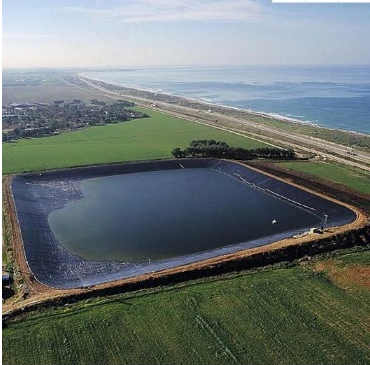
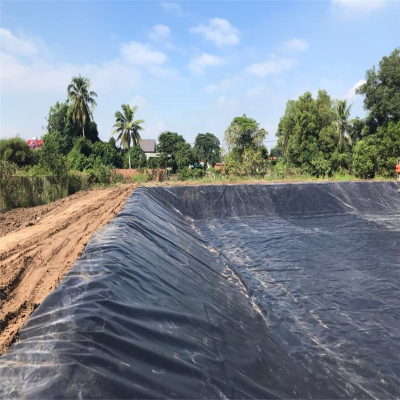
• Hydraulic Engineering: Riverbank protection, dam drainage, coastal revetment, and wetland restoration.
• Environmental Engineering: Landfill leachate collection, sewage treatment plant drainage, and mine tailings remediation.
• Construction: Underground garage drainage, green roof drainage, and basement waterproofing.
• Agricultural Engineering: Farmland drainage, irrigation system optimization, and greenhouse soil moisture control.
4. Packaging & Export Methods
Packaging Standards
• Inner Packaging: Each roll is wrapped in a PE film to prevent moisture and dust; a paper tube (diameter 76mm) is inserted for structural support.
• Outer Packaging: Wrapped with woven geotextile or corrugated cardboard, reinforced with steel strips at both ends to avoid damage during transportation.
• Labeling: Each package is marked with product specifications (material, thickness, width, length), batch number, ISO certification, and handling instructions (e.g., "Keep Dry", "Do Not Stack Over 3 Layers").
Export Logistics
• Container Shipping: Standard 20ft container (loads 10-15 tons) or 40ft HC container (loads 20-25 tons); rolls are placed horizontally to maximize space utilization.
• Bulk Shipping: For large orders (≥50 tons), bulk carriers with waterproof covers are used to reduce packaging costs.
• Documentation: Provide commercial invoice, packing list, certificate of origin (CO), ISO/CE certification, and inspection report (issued by SGS/BV) to comply with import regulations of target countries (e.g., EU REACH, US FDA).