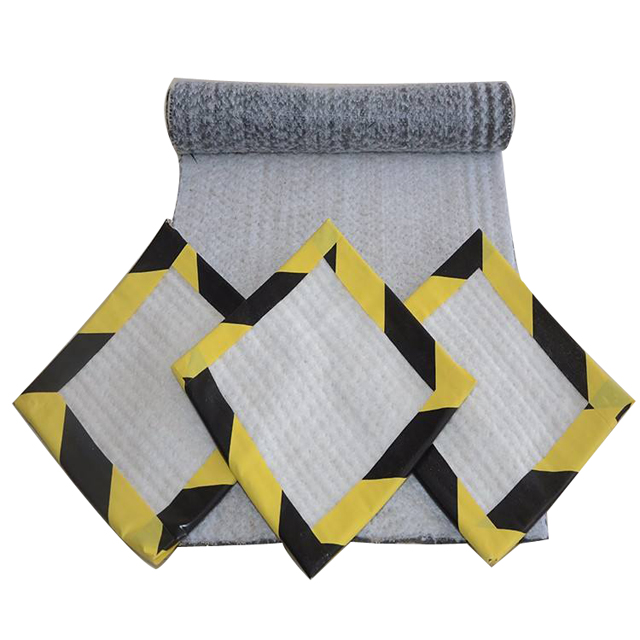
great gcl pond liner
• Unmatched Impermeability
• Self-Healing Resilience
• Eco-Conscious & Regulatory Compliant
• All-Climate Adaptability
• Cost-Efficient Installation
Bentonite Waterproofing Mats (BWMs): Global Perspective on Performance, Applications & Manufacturing
1. Introduction
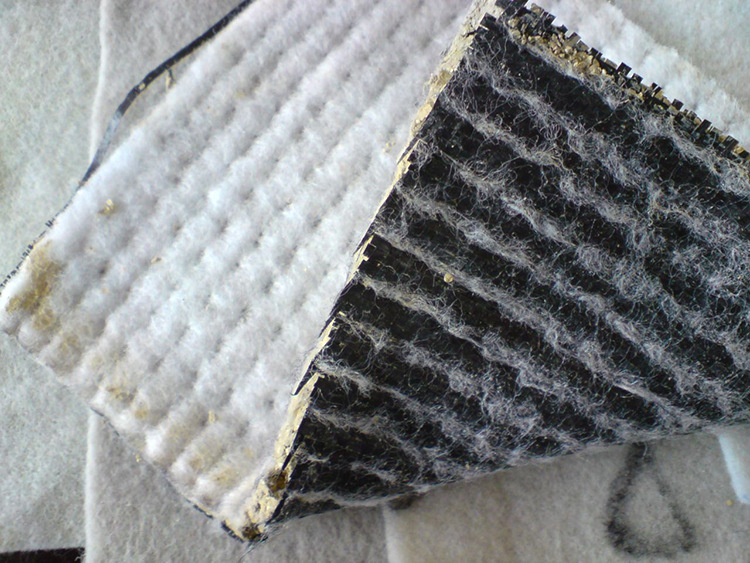
Bentonite Waterproofing Mats (BWMs)—also known as Geosynthetic Clay Liners (GCLs)—are a globally trusted eco-friendly waterproofing solution engineered for critical infrastructure and environmental projects. Composed of a core of high-swelling sodium
bentonite clay, sandwiched between non-woven and woven geotextiles (typically polypropylene or polyester) and reinforced via needle-punching or stitching, BWMs leverage nature’s own technology: bentonite’s ability to swell 15–20x its dry volume when hydrated,
forming an impenetrable barrier. Compliant with rigorous international standards (EN 13968, ASTM D6363, ISO 10719), they have become a preferred choice for engineers, contractors, and environmental regulators worldwide, offering a sustainable alternative to
synthetic liners in diverse climates and project scales.
2. Core Advantages (Globally Recognized Value)
• Unmatched Impermeability: Delivers ultra-low permeability (≤1×10⁻⁹ m/s) post-hydration, outperforming many synthetic liners for containing groundwater, leachate, and contaminants—critical for meeting strict environmental compliance
(e.g., EU Landfill Directive, US EPA regulations).
• Self-Healing Resilience: Automatically seals minor punctures or tears as swollen bentonite migrates to damaged areas, eliminating the need for costly repairs—ideal for remote projects
(e.g., Australian outback landfills, African mine sites) where on-site maintenance is challenging.
• Eco-Conscious & Regulatory Compliant: Made from natural, non-toxic sodium bentonite, BWMs are free of harmful chemicals, recyclable, and align with global sustainability goals
(e.g., EU Green Deal, US LEED certifications). They meet low-VOC and environmental safety standards for sensitive applications like potable water reservoirs.
• All-Climate Adaptability: Performs reliably in extreme temperatures (-30°C to 60°C), maintaining flexibility in frigid Nordic construction sites and stability in scorching Middle Eastern deserts without cracking or brittleness.
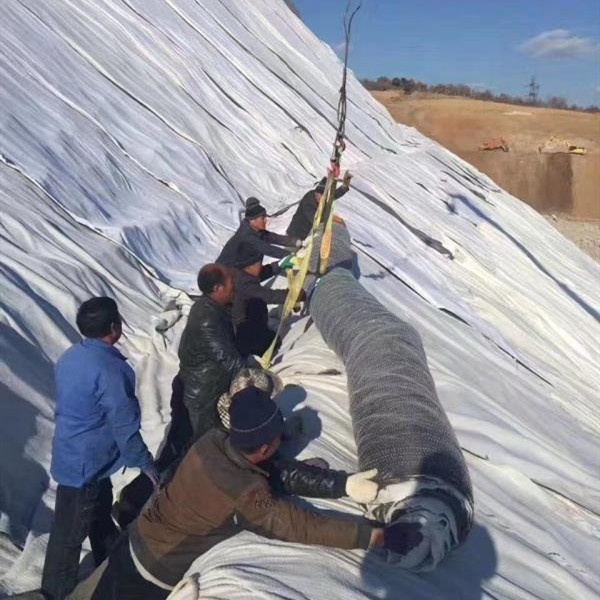
• Cost-Efficient Installation: Lightweight (typically 2–6 kg/m²) and easy to handle, requiring no specialized welding or adhesives—reducing labor costs and project timelines. Adapts seamlessly to uneven substrates, minimizing site preparation work (a key benefit for
developing markets with less refined construction sites).

3. Global Key Applications
• Environmental Protection (Global Compliance): Landfill liners and capping systems (complying with EU, US, and Asian environmental standards) to prevent soil and groundwater contamination; mine tailing pond liners and contaminated site remediation
(e.g., brownfield redevelopment in Europe and North America).
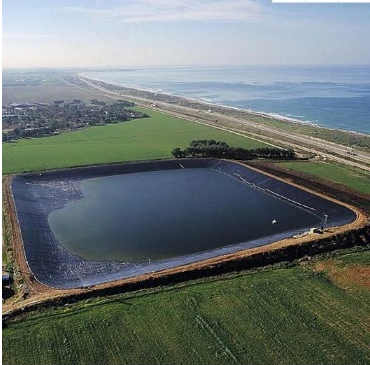
• Water Resources Management: Reservoir, canal, and pond liners for water conservation (critical in water-scarce regions like the American Southwest, Australia, and the Middle East); flood control barriers and coastal erosion protection
(e.g., European coastal defense projects).
• Civil Infrastructure: Underground structures (tunnels, subway stations, basements) in major cities (e.g., Tokyo, London, Dubai) for waterproofing; roadbed and railway embankment cut-off walls to control groundwater seepage.
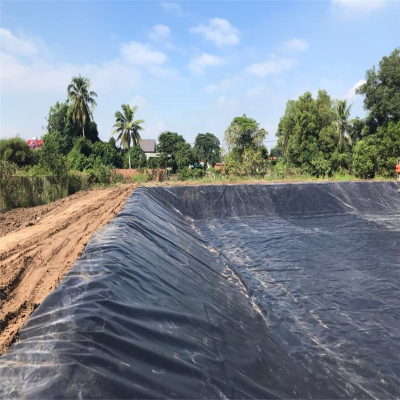
• Agriculture & Aquaculture: High-performance liners for fish ponds (Norway, Chile), shrimp farms (Southeast Asia), and irrigation channels (Africa, India)—reducing water loss and improving crop/aquatic yield.
• Green Building & Landscape: Roof garden waterproofing and artificial lake liners (Europe, North America) for sustainable urban development, meeting eco-friendly construction requirements.
4. International Production Process (Global Standards Adhered)
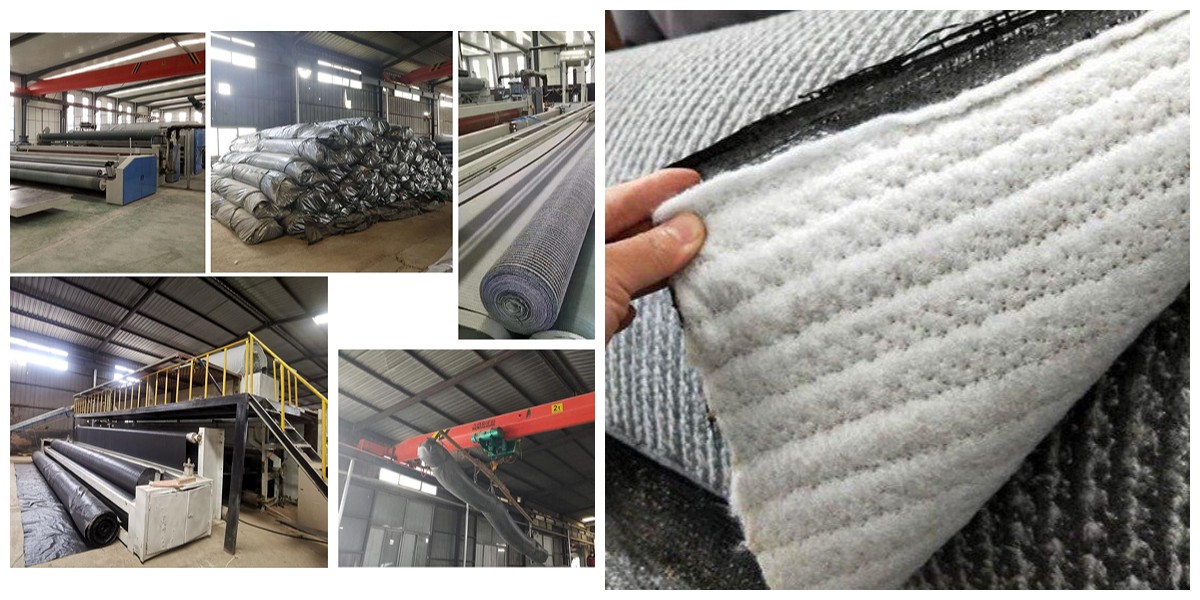
1. Raw Material Sourcing & Quality Control: High-grade sodium bentonite ore is sourced from trusted global suppliers (e.g., US, Turkey, China) and processed to 200–300 mesh fine powder, with strict testing for swelling capacity (≥20 mL/g) and purity—ensuring
compliance with international material standards.
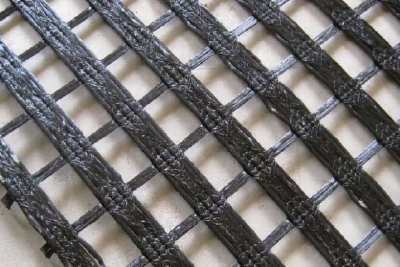
2. Geotextile Selection: Premium non-woven (for bentonite retention) and woven (for structural strength) geotextiles are chosen based on regional project requirements (e.g., higher-tensile geotextiles for heavy-load applications in North American infrastructure).
3. Precision Bentonite Spreading: Automated equipment uniformly distributes bentonite between the two geotextile layers, ensuring consistent loading (2–6 kg/m²) across the mat—critical for uniform waterproofing performance.
4. Reinforcement & Bonding: Needle-punching (the global preferred method) mechanically interlocks fibers and bentonite, creating a cohesive structure without chemical adhesives; stitching is used for specialized high-strength applications
(e.g., European tunnel projects).
5. Trimming & Packaging: Mats are trimmed to standard global widths (3–6m) and lengths (20–50m), then rolled onto moisture-proof cores and wrapped in tear-resistant packaging to protect against humidity during sea freight—essential for long-distance shipping
to global markets.
6. Global Compliance Testing: Third-party labs (SGS, Intertek, Bureau Veritas) conduct rigorous tests (permeability, tensile strength, swelling index) to validate compliance with regional standards (ASTM for US, EN for EU, JIS for Japan).
Certificates are provided with each shipment to streamline customs clearance and client acceptance.